- Clear policies and protocols build trust—and protect clients.
An Esthetician’s Essentials: Tools, Skills & Standards
Why it matters now:
Why it matters now:
Workspace design (flow + comfort)
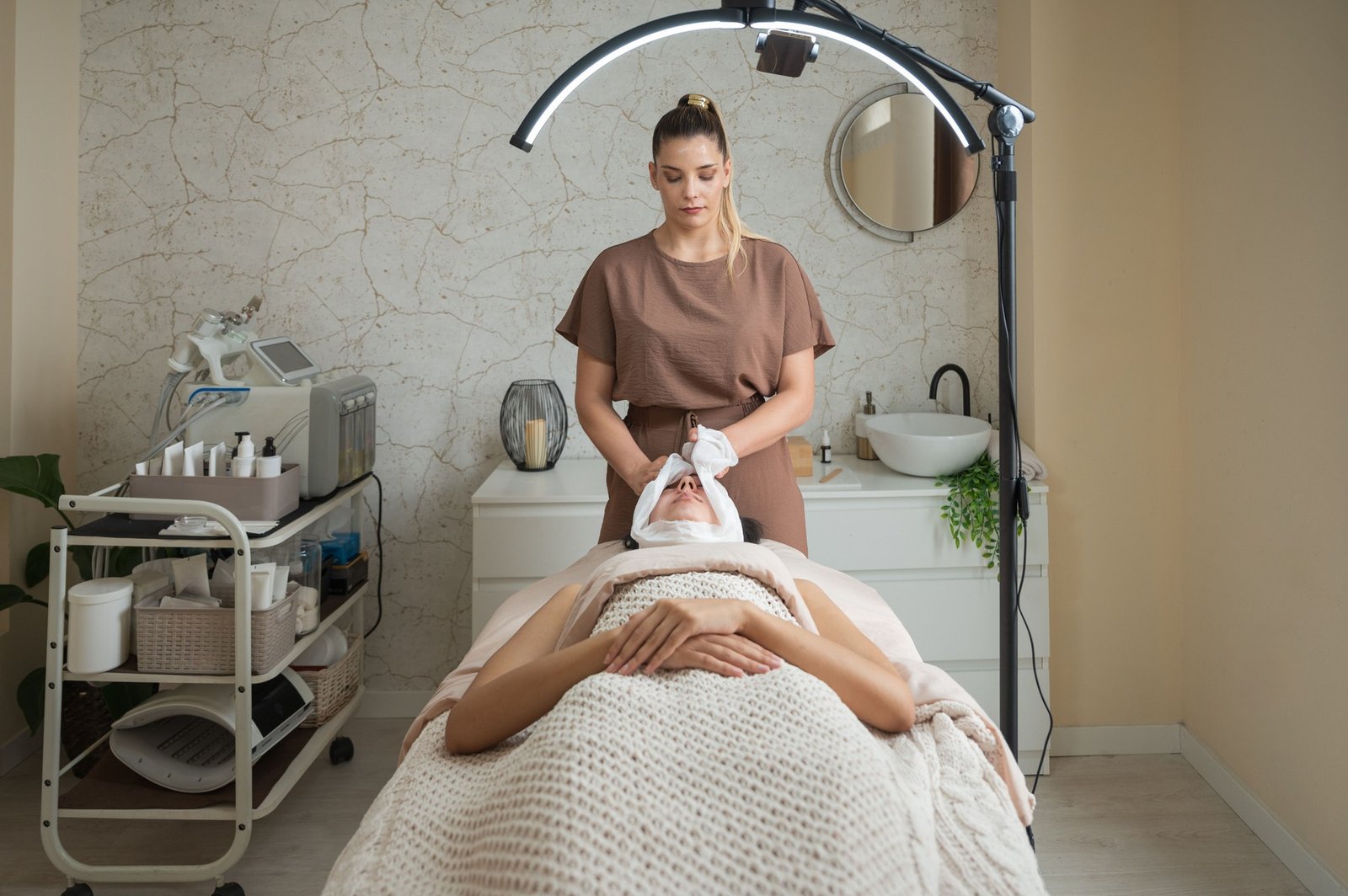
Zoning: Clean zone (sanitized tools), treatment zone (bed, mag lamp, trolley), and dirty zone (used tools, linens).
Lighting: overhead ambient + directional task light at 4000–5000K, CRI ≥ 90 for color-true skin analysis.
Ergonomics: adjustable saddle or rolling stool, switch sitting/standing every ~30 minutes, and set the trolley at forearm height to reduce neck/shoulder load.
Ventilation & surfaces: easy-clean tops, closed cabinetry for clean linens, a labeled bin for “to-be-disinfected.”
Select products & tools that actually move the needle
Back-bar basics: gentle gel/cream cleanser, pH-balanced toner, enzyme and chemical exfoliants (lactic/mandelic starter strengths), hydrating serum (HA), barrier moisturizer, mineral SPF.
Treatment boosters: LED (red/near-IR) post-extraction, soothing gel masks, occlusive finishing balms, and sterile gauze/compresses.
Retail with intention: 4–6 anchor SKUs clients will actually finish (cleanser, moisturizer, SPF, a single active serum, mask, lip/eye care). Less overwhelm = better adherence.
Techniques & treatment standards clients can feel
Structured intake + skin analysis: document goals, meds, actives, sun history; do a standardized inspection and note Fitzpatrick type (I–VI) to guide exfoliants and light/laser settings. Remember the scale’s limitations—use it alongside your full intake and clinical judgment.
Informed consent & privacy: obtain meaningful consent for what you collect (photos, health info), how you’ll use it (care, reminders), and how long you’ll store it. In Canada, PIPEDA expects clear, purpose-specific, revocable consent. Add a brief, readable privacy notice to your intake. Privacy Commissioner Canada
Hygiene & disinfection (non-negotiables)
Clean → disinfect → dry: follow the label contact time exactly (e.g., 10 minutes for many immersion/spray formulas or ~2–4 minutes for wipes); make immersion batches fresh daily. Keep a log.
Porous vs non-porous: disinfect non-porous tools; porous items cannot be disinfected—dispose after single use or launder appropriately.
Advanced add-ons (as training/insurance allow)
LED light therapy: gentle, high-value add-on for redness and post-extraction calming; use proper eye shields.
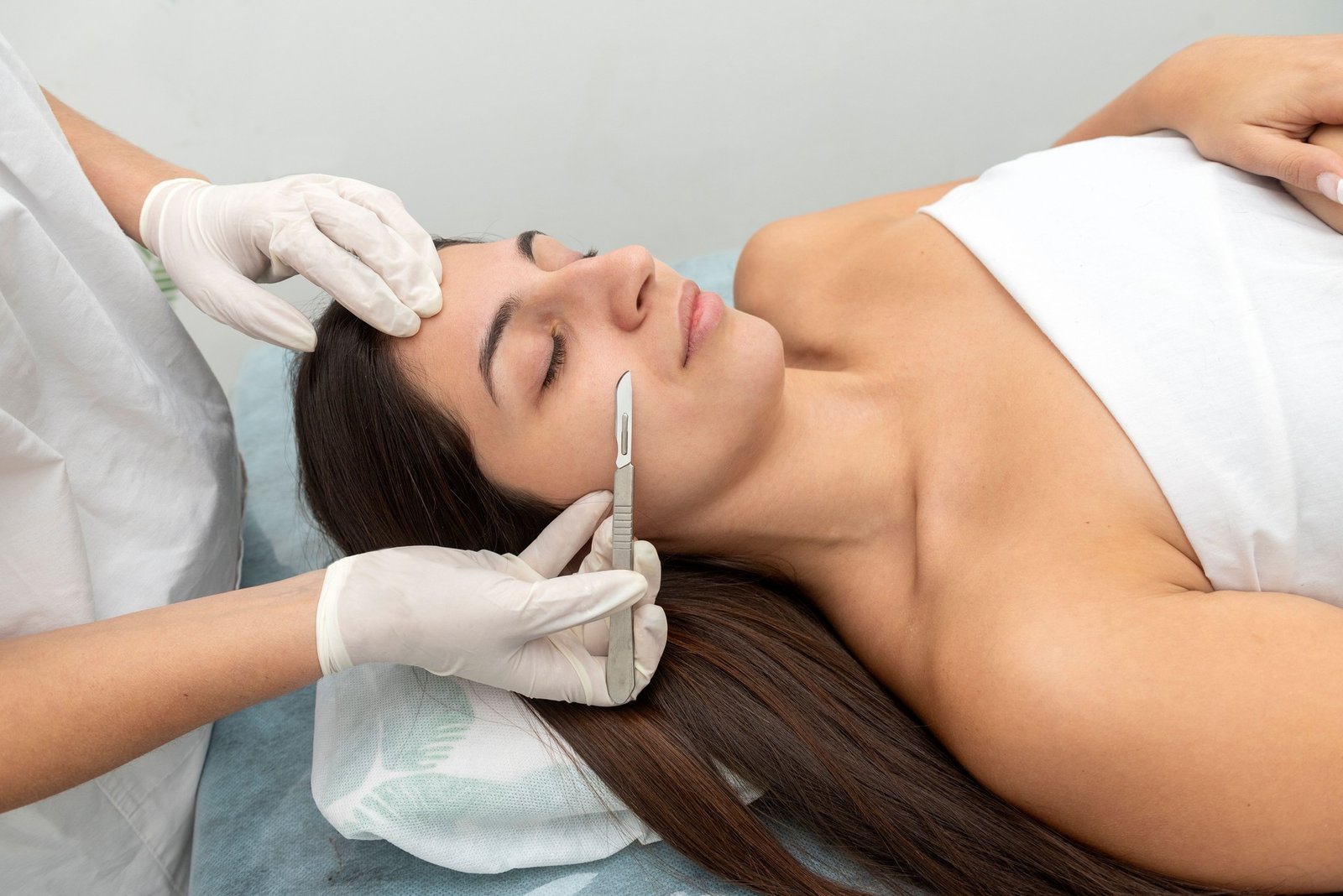
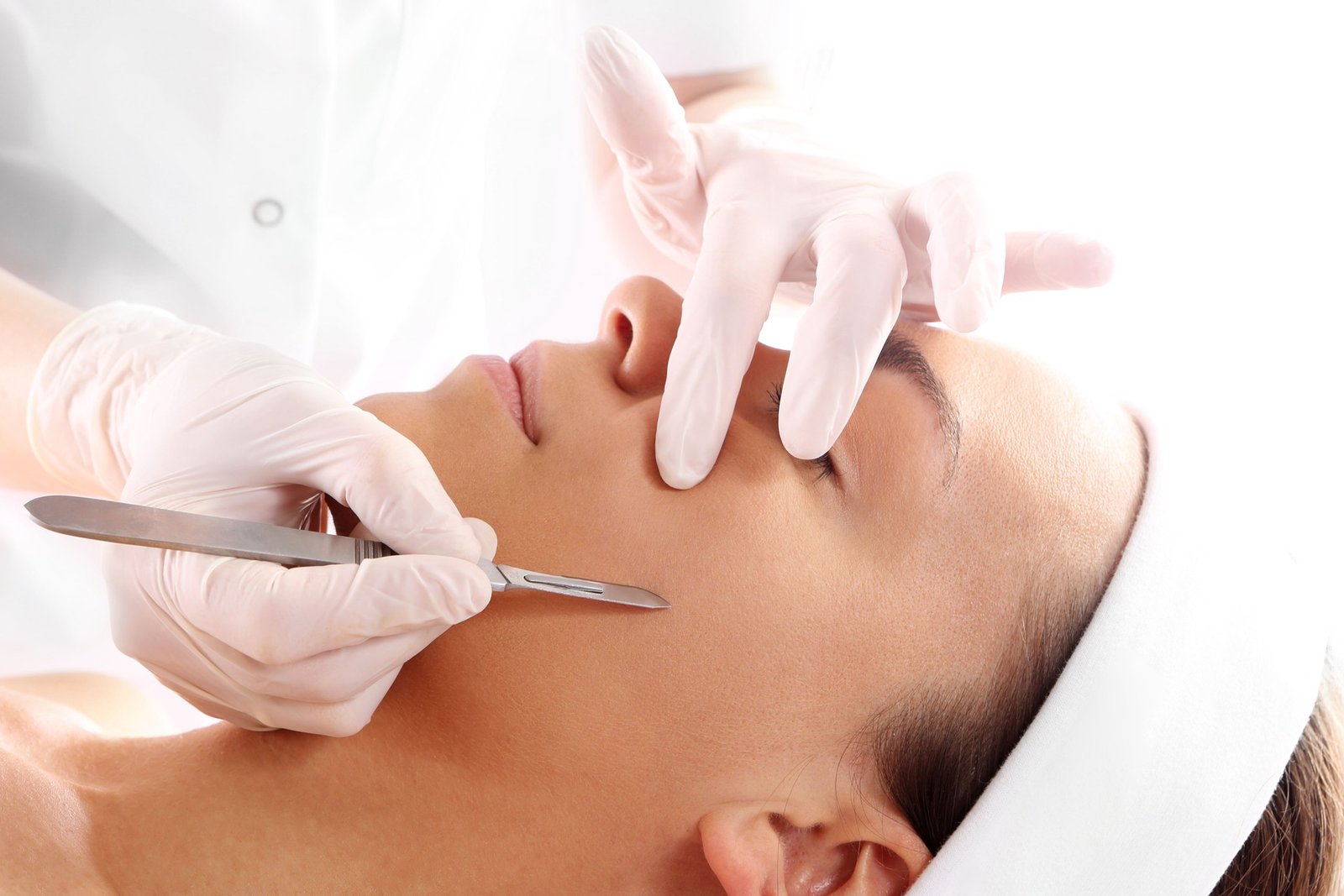
Dermaplaning: immediate smoothness and makeup payoff; keep it within scope and avoid on active acne.
Hydrodermabrasion/microcurrent: choose devices backed by solid training and clear protocols (document indications/contraindications per device manual).
Client interaction that builds trust—and rebookings
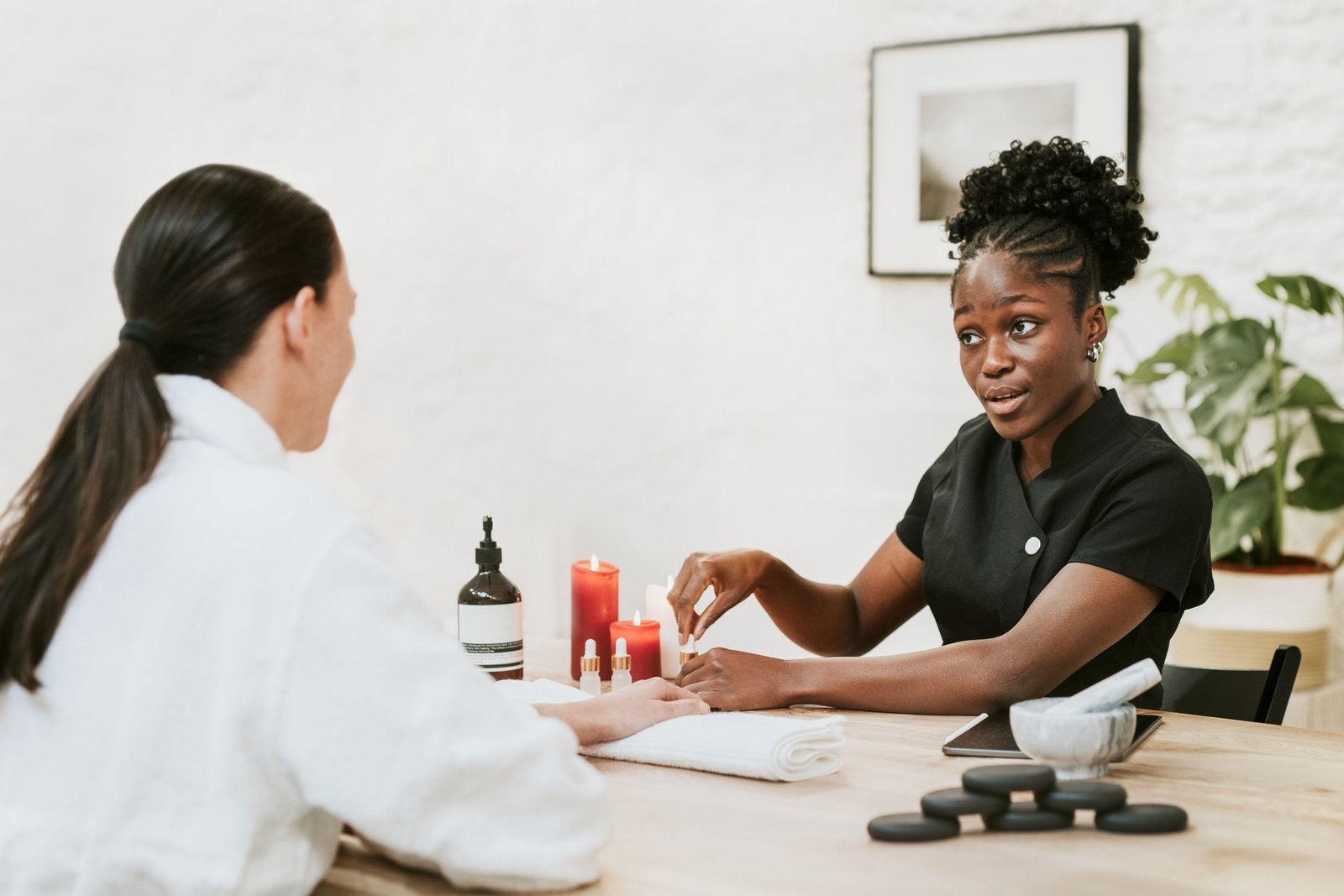
Plain-language briefings: before you start, repeat back client goals, set sensation expectations, and explain aftercare in 3 bullets they can remember.
Personalized plans: map a 6–12 week plan with realistic milestones and quick wins (texture, hydration, makeup laydown).
Follow-ups that matter: 24–48h check-ins, then 2-week progress nudges. Automation helps you stay consistent and improves retention.
Memberships & loyalty (optional but powerful)
Continuous learning = safer care, better results
Accredited education: look for recognized providers and clear prerequisites; BIA accreditation verifies educator credentials, manuals, and assessment standards for many insurance partners.
Keep skills fresh: Always take time to practice your skills. Find CE content and workshops, to participate in, and seek mentorship.
Local standards: align clinic SOPs with Health Canada disinfection guidance (contact time on label; pre-cleaning before disinfecting).